One of my great privileges is to sing with the Santa Clarita Master Chorale, a group of about 80 talented musicians that put on three concerts of beautiful and challenging repertoire each year. In addition to singing, I am the staff writer who researches and composes the program notes for each concert, giving the audience context to the pieces we perform.

Sometimes this involves telling more about a composer’s life or circumstances: the composer wrote this after the loss of his mother. Sometimes it’s an explanation of lyrics: a “fetter” is a chain or shackle around a prisoner’s ankle. (Did you know that one? Can you name the hymn it’s from??)
Sometimes it’s translations from one of the numerous languages in which we sing. Sometimes it’s a bit of history: this song was written after the war was won. Whatever it is, it gives context and meaning to the song. It makes the concert more interesting to the audience, and it helps the singers genuinely convey the original artist’s thoughts and feelings.
It’s really important for the choir to understand what they’re singing. How much more important is this in the church??
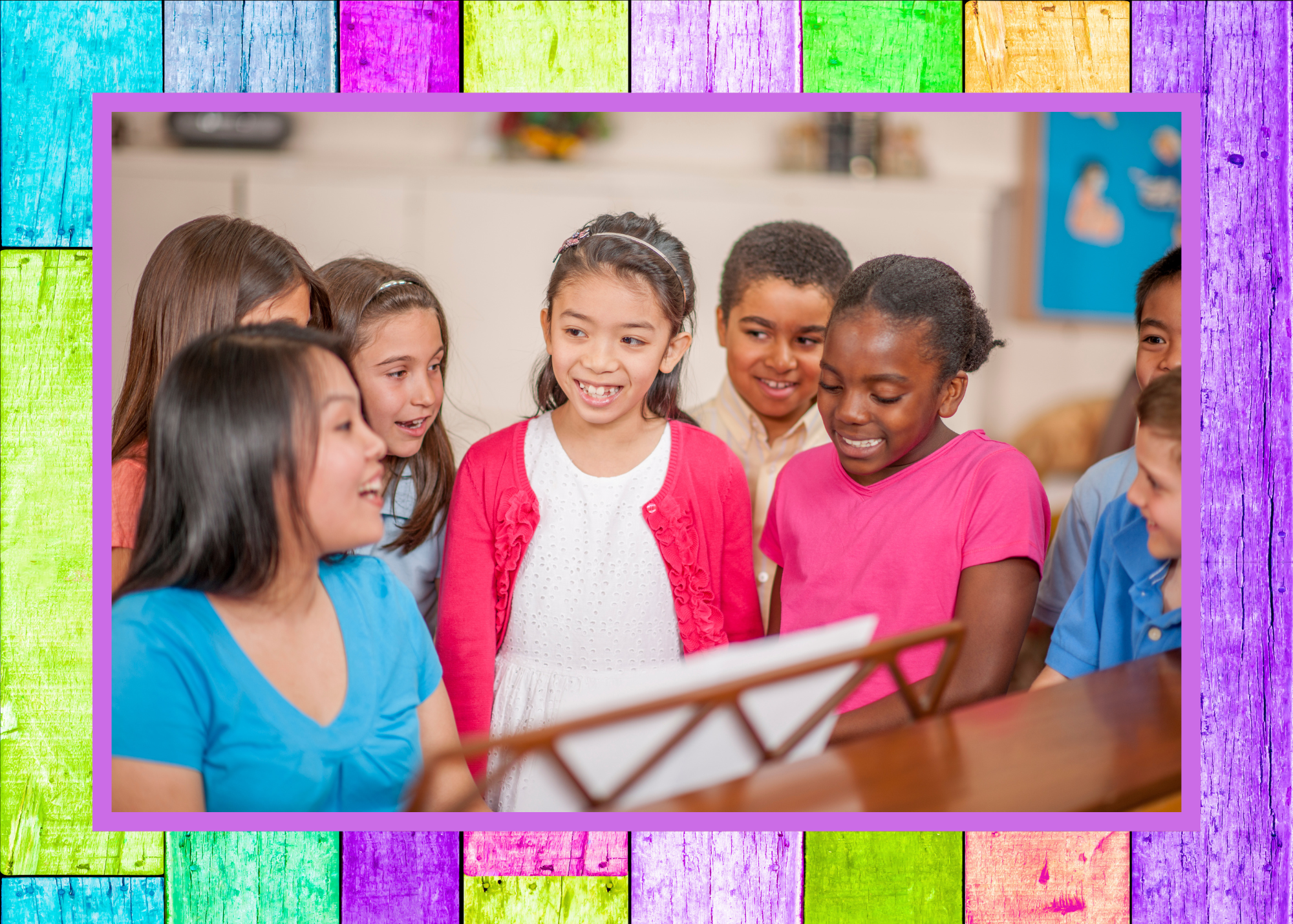
It’s really important for the choir to understand what they’re singing. How much more important is this in the church?? How often do we have kids sing songs with words and phrases they don’t understand? I’m not saying we should dumb-down the music, I’m saying we need to teach the littles what they’re singing about. Give them context. Show them where in the Bible the truth of the song is found. *Hint if you can’t find this, you shouldn’t be singing it. Empower children to worship with understanding. Because vibes isn’t worship.

I remember way back in sixth grade my church had our Sunday school class study and learn hymns. We learned their backstory. We learned to sing them. We were taught words like “fetter.” In college, I took a hymnology course and learned even more. It was so great to understand what was being sung and why.
We live in a much more fast-paced world now with new music coming out left and right so learning the history is more difficult. (Though if you follow artists on social media, you can often learn something.) But we can still study the text. Is it Biblical? Do kids understand the words? Is it age-appropriate for them to be singing? Are we paying attention to whether it’s a worship song (vertical) or a testimony song (horizontal)? Grabbing the latest song off the radio is fun. Kids dance around and maybe even sing. But do they understand? We are missing an incredible discipleship moment when we neglect to explain songs to kids. They are capable of big ideas, they just need to be explained. They are capable of big worship, they just need to understand.
We are missing an incredible discipleship moment when we neglect to explain songs to kids. They are capable of big ideas, they just need to be explained. They are capable of big worship, they just need to understand.

If you’re interested in reading the stories behind many of our hymns, even if we rarely sing them anymore, check out this book HERE. (Not a sponsored post.)
Little JAM Sessions is based on helping littles understand what they’re singing about through music, Bible lessons, and crafts. Check it out HERE.